

Cart
0
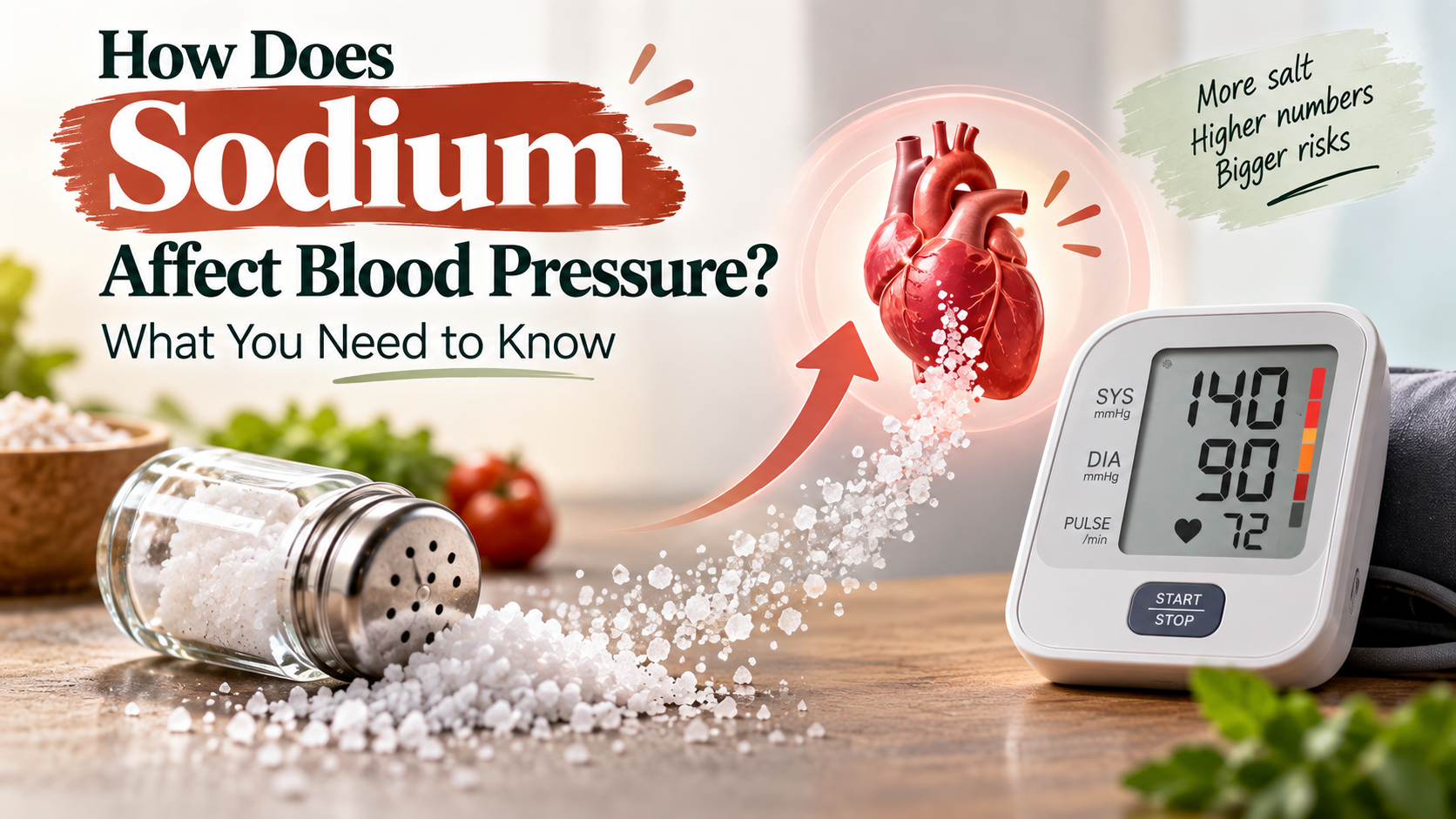
Blood pressure is basically the force of your blood pressing against your blood vessels every time your heart pumps. Having high numbers for a long time can make you sick. The sodium found in regular salt changes these numbers a lot. We all need a little bit of this mineral to stay alive, but eating too much of it creates trouble. Figuring out how salt changes your blood flow helps you pick healthier meals and look after your body.
How Sodium Affects Blood Pressure

Salt acts as a manager for the water inside you. Eating huge amounts of salt makes your body hold onto extra water to keep things balanced. This leftover fluid adds to the total amount of blood inside you, which presses harder against your blood vessels. After a while, this extra pushing makes your blood pressure go up.
Usually, your kidneys help out by making you pee more to get rid of the extra salt. But when they cannot work fast enough, the salt stays in your blood. Because of this, your heart has to pump much harder to move the blood around, and that makes your pressure rise even higher.
The Link Between Sodium and Hypertension
Doctors call high blood pressure hypertension, and it usually happens without any clear warning signs. Even without symptoms, it can cause strokes, kidney trouble, and heart disease. Eating too much salt is a huge reason why people get this condition. Here is exactly why this happens:
-
Holding onto extra fluid gives you more blood overall, which raises the pressure inside your body.
-
This strong pushing damages the inside of your blood vessels, making them tight and stiff. This stiffness forces your heart to work much harder.
-
Over many years, all this extra effort makes your heart and blood vessels weak. This weakness highly increases your chances of getting a heart attack or a stroke.
Recommended Daily Sodium Intake
Health experts point out that most folks eat way more salt than they actually need. Your body really only needs less than 500 milligrams a day to do its job. However, the top suggested limit is 2,300 milligrams, which looks like about one single teaspoon of salt. People who already have high blood pressure should stick to a lower limit of 1,500 milligrams a day.
Surprisingly, more than 70% of the salt we eat comes from eating out and buying packaged snacks, rather than using a salt shaker at home. In a lot of areas, a normal person eats around 3,300 to 3,400 milligrams a day, which is way over the safe amount.
|
Group |
Recommended Sodium Intake |
|
General Adults |
2,300 mg or less per day |
|
Adults with Hypertension |
1,500 mg or less per day |
Just to give you an idea, a single slice of pizza might hide 600 to 1,000 milligrams of salt inside it. A regular can of soup can easily hold 800 to 1,200 milligrams. Because of these hidden amounts, anyone can easily pass their daily limit without even knowing. Just dropping your daily salt intake by 1,000 milligrams can truly help lower your numbers back to a safe spot.
How Too Much Sodium Harms Your Health
Eating piles of salt does bad things to more than just your blood flow. Having a lot of salt can make you lose calcium when you go to the bathroom, and some tests show this might hurt your bones. Experts have also tied heavy salt use to stomach cancer and kidney sickness, even though these connections are not quite as strong as the blood pressure link.
Also, when your body traps extra water to handle the salt, you can end up feeling puffy and bloated. As time goes on, all this extra salt causes lasting health dangers, mostly for folks who are extra sensitive to it.
Signs You're Consuming Too Much Sodium

Your body will normally give you hints when your meals have too much salt in them. Here are a few very common clues to look out for:
-
Trapped water can leave your feet, hands, and face looking puffed up and swollen.
-
You might feel super thirsty because your body wants more water to wash out the salt.
-
If your numbers often stay at 130/80 mmHg or go even higher, you are likely eating too much salt.
-
High blood pressure can bring on steady headaches, and these often hurt the most right after you wake up.
The Role of Potassium in Balancing Sodium
Potassium acts like a helper that fights off the bad effects of salt. While salt traps water inside you, potassium steps in to help push that water out. It also helps calm and loosen your blood vessels, and this causes your blood pressure to go down.
You can easily find high amounts of potassium in sweet potatoes, spinach, beans, and bananas. Eating plenty of this helpful nutrient can block the damage from salt and keep your numbers looking good. However, anyone dealing with kidney problems needs to chat with a doctor before eating more potassium, because too much of it can be dangerous.
Conclusion
We find salt in tons of things we eat every day. We absolutely need a little bit for our bodies to run smoothly, but eating too much invites major health problems like high blood pressure. Every person reacts to salt in their own way, yet keeping an eye on your meals, eating healthy foods, and moving around will keep your numbers safe. Tiny steps, like reading food packages and picking items with less salt, bring massive changes as the years go by. In the end, your heart and your whole body will thank you for making these smart choices.
Try Quipps Chickpea Puffs today and enjoy a delicious low sodium snack that’s good for your heart.
